



Open to connecting
Work with us
 Gain experience with us
Blogs
Culture
Wellbeing
Worklife and reward
Career development
Community
Gain experience with us
Blogs
Culture
Wellbeing
Worklife and reward
Career development
Community
Gain experience with us
Blogs
Culture
Wellbeing
Worklife and reward
Career development
Community
Our details and location
 34 Walnut Road, Torquay, TQ2 6HS, United Kingdom

x
Greenbay Vets
34 Walnut Road, Torquay, TQ2 6HS, United Kingdom
Satellite workplaces
Greenbay Vets Paignton
79 Kingsway Avenue, Paignton, TQ4 7AB, United Kingdom
This is our second site. It is equipped for consults, routine operations, dentistry (including dental x-ray), x-ray, ultrasound and lab work. It has a flat upstairs with kitchen and lounge for team use, and a sea view being a 5 minute drive to Goodrington Sands.
Expertise in our team
Postgraduate specialisms

- Dr John Mather - RCVS AP in Small Animal Surgery
- Dr Ian Sayers - RCVS AP in Exotics
- Dr Laura Mather - RCVS AP in Small Animal Cardiology
- Mr Richard Maloney - RCVS AP in Small Animal Medicine
- Dr Michelle Richards - RCVS AP in Small Animal Medicine
Nursing specialisms
- Cazandra Toms - DipAVN (Small Animal) and NCert (Physiotherapy and Rehabilitation)
- Claire French - ISFMdipFN
- Laura Holderness - NCert (Behaviour) and BSc (Animal Behaviour)
- Laura Sproul - NCert (Small Animal Nutrition)
- Ellen Higgins - CertVNECC
- Heather Beastall - NAdvCert (Anaesthesia)
Culture
In our 2026 Meraki employment experience survey we scored 87% in the culture and values section. Everyone agreed Greenbay was a friendly place to work, is committed to delivering outstanding care to patients, and committed to supporting the local community and the environment.
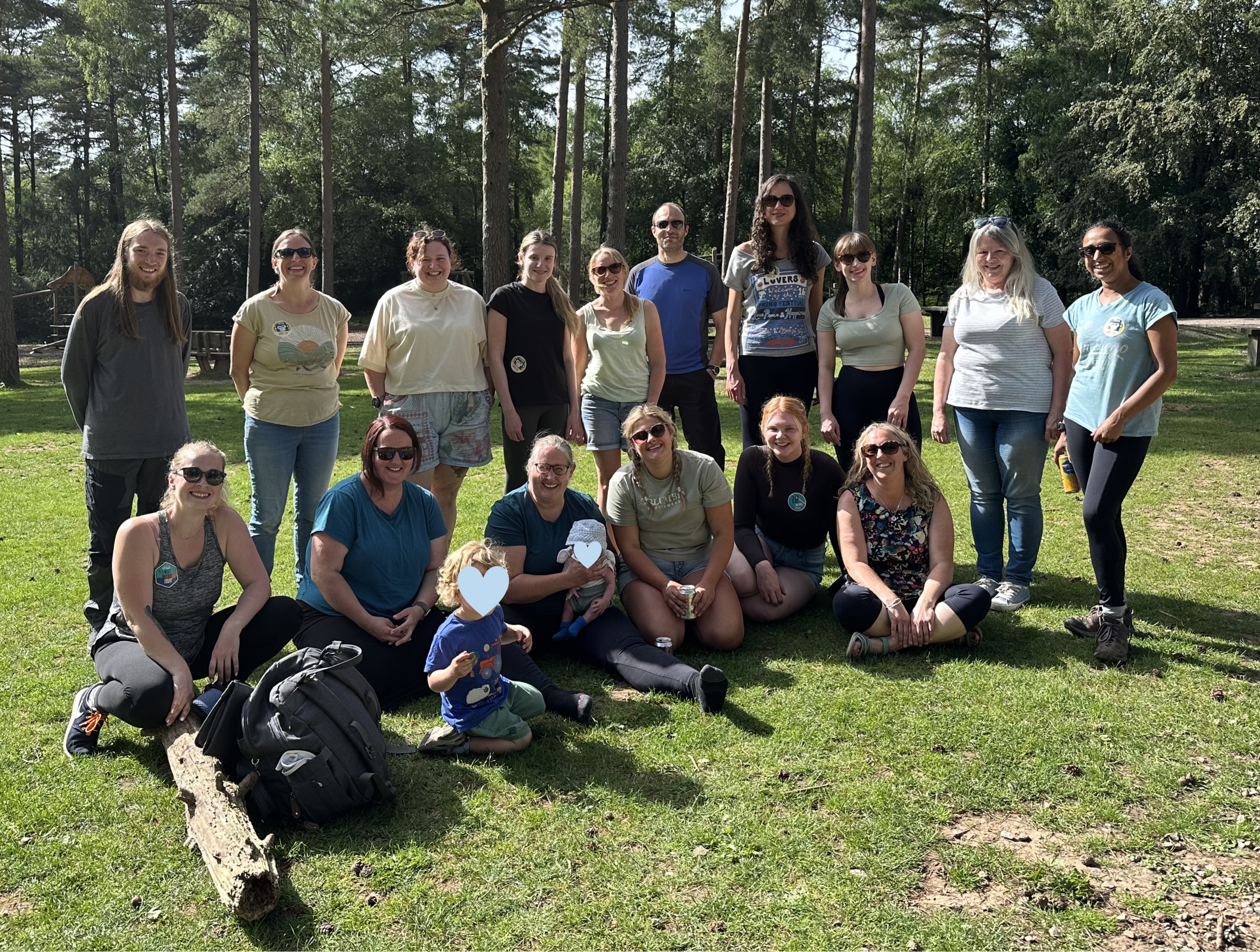

Our Purpose
We aim to provide a happy, fulfilling, and fun environment in which to work. We believe in having enough cases to keep the team motivated and occupied, but also enough time to do the job properly. There is time in the day for researching cases, conferring with colleagues, and communicating with clients as well as to have breaks. We are very well equipped, and promote team training, such that we refer little.
We are a 'premium' first opinion vets and our vision is to be known throughout Torbay for uncompromising clinical care of pets and excellent client service. All pets are to be treated with kindness, dignity, and respect, with time taken to make them feel welcome and to try to alleviate stress of future visits. We aim to be friendly and approachable for clients and believe in being there for pets and their owners for the whole journey, not just when their pet is ill or injured.
We are a 'premium' first opinion vets and our vision is to be known throughout Torbay for uncompromising clinical care of pets and excellent client service. All pets are to be treated with kindness, dignity, and respect, with time taken to make them feel welcome and to try to alleviate stress of future visits. We aim to be friendly and approachable for clients and believe in being there for pets and their owners for the whole journey, not just when their pet is ill or injured.

Psychological safety
We believe in a ‘no blame’ culture, clinical governance and that mistakes can be learned from. We routinely audit and learn from post-op complications (including participating in the RCVS National Audit for Small Animal Neutering), and we also perform audits to improve our clinical practice e.g., blood pressure monitoring of routine neuterings, effect of temperature on recovery times. This is an area we want to continue to grow and improve.
The owners are always open to feedback and ideas from the team. For example, we introduced surgical safety checklists following a suggestion from one of our RVNs, and we modified our surgical preparation techniques following training and feedback from our HVN.
We perform investigations and hold a ‘no-blame’ meeting following any unexpected adverse events. For example, a new protocol was devised for the prevention of medication being administered via the incorrect route, following such an investigation.
Individual DISC personality profiling of team members, regular informal catch-ups and focus group meetings following the VDS culture survey are all examples of ways we try to minimise interpersonal conflicts at work.
The owners are always open to feedback and ideas from the team. For example, we introduced surgical safety checklists following a suggestion from one of our RVNs, and we modified our surgical preparation techniques following training and feedback from our HVN.
We perform investigations and hold a ‘no-blame’ meeting following any unexpected adverse events. For example, a new protocol was devised for the prevention of medication being administered via the incorrect route, following such an investigation.
Individual DISC personality profiling of team members, regular informal catch-ups and focus group meetings following the VDS culture survey are all examples of ways we try to minimise interpersonal conflicts at work.

Diversity, equality and inclusion
In our 2026 Meraki employment experience survey we scored 80% in the Diversity, Equality, and Inclusion section. Everyone agreed the practice offers equal opportunities and that people can bring all aspects of themselves to work.
Team engagement
We have regular informal meetings and catch ups with our team members, as we find this is the best way to monitor employee satisfaction. In addition we have formal nurse and vet meetings, where both clinical and non-clinical issues can be discussed. We make use of employee engagement surveys too, and have completed the anonymous Meraki employment engagement survey three times (most recently in July 2026).
We have annual development meetings with all team members, with a focus on their professional and personal development e.g. CPD plans. These are also a useful time to evaluate employee satisfaction.
We have annual development meetings with all team members, with a focus on their professional and personal development e.g. CPD plans. These are also a useful time to evaluate employee satisfaction.

Team building
It is important to socialise outside of work, and we have combined this with team building in the past. Examples include raft-building, Go Ape and alpaca walking. We have also found fundraising with the team a great way to foster camaraderie.